

Account security is more than creating a strong password. Before opening or using an offshore gambling account, Canadian readers should understand how identity checks, payment ownership reviews and recovery procedures can affect access to funds. Information about the operator and its account processes can be found through the lussurio casino promo code information page, but promotional material should never replace a careful review of the applicable terms. The safest approach is to verify details, protect login credentials and keep records of every transaction.
Begin with the operator’s identity and jurisdiction
Security starts before registration. Available information describes the operator as GOODWIN N.V., operating under Curaçao gaming licence OGL/2024/758/0228, and identifies the service as offshore rather than registered with iGaming Ontario. Those details matter because a licence, regulator and dispute process can differ substantially from the provincial framework familiar to Canadian consumers. Readers should confirm that the licence information shown at the time of registration matches the current terms and footer details.
An offshore licence does not automatically establish that a service is suitable, available or protected in every Canadian province. It also does not guarantee that a complaint will be handled through a Canadian regulator or that payment disputes will follow Canadian procedures. Treat jurisdiction as a practical risk factor: identify who operates the account, where support is based, which law governs the agreement and how unresolved complaints are escalated.
Do not rely on search results or copied directory descriptions alone. Save a dated copy or screenshot of the terms, privacy policy, withdrawal rules and responsible-gambling provisions before depositing. Pay particular attention to clauses concerning account closure, duplicate accounts, document requests and payment reviews. If essential information is missing or contradictory, delay registration until support provides a clear written explanation.
What should be ready before identity verification?
Registration information should be accurate, consistent and current. The stated process may require a legal name, residential address, contact details and a selected account currency. A user may also need to confirm an email address or phone number. Small inconsistencies—such as an abbreviated name, an old address or a document showing different spelling—can create additional questions during a later withdrawal review.
Know Your Customer checks may require government-issued identity evidence, proof of residence and documentation showing ownership of the deposit or withdrawal method. Prepare only documents requested through the operator’s authenticated support or account process, and check whether the upload page uses a secure connection. Avoid sending identity documents to unverified social-media accounts or unknown email addresses claiming to represent customer service.
Before submitting anything, inspect the document requirements and redact information only when the instructions permit it. Keep a private record of what was supplied, when it was sent and the case number or support conversation connected to it. Verification is reportedly reviewed within a period that can extend to 72 hours, but extra checks may take longer. Do not assume that a completed registration means withdrawals will be immediately available.
Protect the login beyond the password
Use a unique, long password that is not shared with email, banking or other gambling accounts. A password manager can create and store distinct credentials without forcing users to reuse memorable phrases. Never disclose a password, one-time code or identity document in response to an unsolicited message. If the service offers additional authentication controls, enable them and keep recovery details private.
Account security also depends on the device and network used. Install operating-system and browser updates, use reputable malware protection and avoid signing in on public computers. A home Wi-Fi connection with a strong router password is preferable to an open public network. After using a shared device, sign out fully and do not allow the browser to save credentials or payment information.
Monitor the account for unfamiliar logins, changed contact details, unexpected bonus activity or transactions that do not match your records. If access is lost, use the official login-recovery flow or the support channel published in the account terms. Explain the issue briefly, provide only requested information and preserve all correspondence. Do not create a second account to work around a restriction, since duplicate-account rules may complicate verification and withdrawals.
Keep payments and identity documents connected
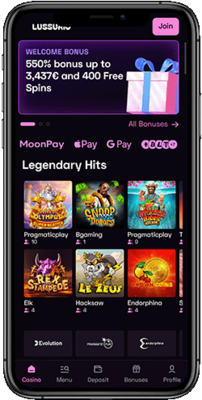
Payment ownership is an important part of account security. Available Canadian-facing information names cards, Interac, e-wallets, bank transfers, vouchers and cryptocurrencies, but the methods displayed can vary by country, currency, bank and account profile. A payment option appearing in a directory is not proof that it will be available at checkout. Check the cashier and the current terms before committing funds.
Use a payment method held in the same legal name as the gambling account unless the operator expressly permits another arrangement. Keep deposit confirmations, transaction IDs and screenshots of relevant cashier pages. A withdrawal may be limited to a previously used deposit method, and the operator may request evidence that the method belongs to the account holder. These checks can be inconvenient, but inconsistent ownership information can cause longer reviews.
Canadian consumers can also consult official Canadian cyber security guidance for general advice on protecting accounts, devices and personal information. That guidance is not confirmation of any casino’s policies. For gambling transactions specifically, review the displayed minimums, withdrawal thresholds, processing stages and currency conversion terms before depositing. Never treat estimated processing windows as guaranteed delivery times, particularly when identity, compliance or provider checks remain open.
Respond carefully when an account is restricted
A locked account does not necessarily mean funds have been forfeited, but it should be handled methodically. Common triggers described in the available material include incomplete KYC, a suspected duplicate registration, changed personal details, payment-ownership questions or a review connected to game activity. Read the notice closely and identify whether it asks for a document, an explanation or a waiting period.
Reply through the established support channel and ask for the case reference, the specific outstanding requirement and the expected next step. Do not send repeated applications, open another account or alter documents to match a form. If a document has expired or an address has changed, explain the situation honestly and ask which evidence is acceptable. Keep messages factual rather than making unsupported accusations or promises.
Maintain a complete timeline containing deposits, withdrawals, verification submissions, support replies and any account restrictions. If the response remains unclear, request the relevant clause in the terms and ask how a formal complaint can be filed. Readers should also consider whether the account’s risk and dispute arrangements remain acceptable. Security is not only about regaining access; it is about deciding whether continued use is sensible when transparency or communication is inadequate.
Questions about account security and verification
Can a Canadian user rely on registration as proof of verification?
No. Registration generally creates an account, while verification may occur later, especially before a withdrawal. The operator can request identity, address and payment-ownership documents after registration. Keep information consistent from the beginning and review the current requirements rather than assuming that an approved sign-up has completed every compliance check.
What should I do if I cannot access the account?
Use the published password-recovery process first. If that fails, contact the stated support channel from the email address connected to the account and request a case reference. Do not open a replacement account or send documents to an unverified contact. Record every message and follow only documented recovery instructions.
Should identity documents be sent whenever support asks?
Send documents only through a channel you have verified against the operator’s official account or terms. Confirm what is required, why it is needed and how it will be submitted. Never provide passwords or one-time security codes. Keep a private record of the files and date submitted, and ask for confirmation of receipt.